15 Best Money Apps for Teens in 2026: Help Your Teen Build Smart Money Habits
Last Updated on July 15, 2026 by Yadira Bacelic
Affiliate Disclosure:
This page may contain affiliate links, which means I may earn a small commission if you purchase through my links — at no extra cost to you. I only share tools and resources I personally use and truly recommend. You can read my full disclosure here.
If you’ve ever handed your teen money and then watched it disappear almost instantly, you’re not alone. One minute they’ve got a little saved up, and the next… somehow it’s gone, usually on snacks, random Target finds, or something they “really needed” in the moment.
That’s actually when it clicked for me. Teaching kids about money isn’t just about giving them cash or talking about it here and there. The way teens use money today looks completely different than when we were growing up. It’s cards, apps, online shopping, instant transfers… and if they don’t learn how to handle that now, it can feel overwhelming later.
When my kids were younger, we kept things simple with cash. We used a give, save, spend system, and honestly, it worked really well. They could see their money, touch it, and understand where it was going. But as they got older, that system started to fall apart a little. Cash wasn’t enough when everything around them was digital.
That’s where money apps for teens started to make sense in our house.
The best money apps for teens aren’t just about spending. They help teens learn how to budget, save, and manage their money in real time, while still giving you, as the parent, a way to guide and set boundaries along the way.
If you’re trying to figure out where to start, I’ll walk you through the best money apps for teens in 2026, including
And if your teen isn’t quite ready for apps yet, don’t worry, we’ll talk about simple ways to start building money skills first, too.
Best Money Apps for Teens (2026 Comparison)
Pricing is current as of mid-2026 plans change, so double-check each app’s site.
| App | Best for | Monthly cost | Min age | Investing | Standout feature |
|---|---|---|---|---|---|
| Greenlight | All-around family pick | $5.99–$15.98 | None (parent sets up) | Yes (Max+) | Chores-to-allowance automation + |
| Acorns Early (formerly GoHenry) | Financial education | $8 flat / up to 4 kids ($12 Gold) | 6 | Via Gold tier | Money Missions lessons + custodial investing |
| Step | Teen independence / first job | Free | 13 | Yes | Direct deposit + credit-building (acquired by MrBeast in 2026) |
| Cash App for Kids | A teen who just needs a card | Free | 13 | No | Free Visa debit + parent limits (new in 2026) |
| Current | Teen savers | Free (needs parent acct) | 13 | No | Savings pods with a ~4% bonus |
| Chase First Banking | Existing Chase families | Free | 6 | No | Fee-free card tied to Chase checking |
| BusyKid | Chores-first families | $3.99 (whole family) | 5 | Basic | Strongest chore-to-allowance system |
| Fidelity Youth | Teens serious about investing | Free | 13 | Yes (real brokerage) | Real stock/ETF investing, no monthly fee |
What’s the best money app for teens?
For most teens, Greenlight is the best all-around pick a debit card, chores,
Why Teens Need Money Apps in 2026
I’ve always believed in teaching my kids about money the old-fashioned way, good ol’ cash in hand. There’s just something about holding a $10 bill and deciding whether to spend it on snacks or save it that makes the lesson real.
But here’s the thing… the world has shifted. Teens today are growing up in a mostly cashless society, and if they don’t learn how to use money apps safely and smart, they’ll be behind.
In our house, money doesn’t just show up every Friday like magic. It’s commissions. You do the chores, you get paid. Skip the chores, no pay. Simple as that. I like it this way because it connects money with effort.
But when those hard-earned commissions went into my teen’s app account, well… let’s just say Target suddenly became their favorite place on earth. The dollar-spot section? A total budget buster. Watching them drain half their balance in one shopping trip was both hilarious and painful.
And honestly, that’s why I love pairing cash lessons with digital money apps. Cash teaches the basics of how fast money leaves your hands when it’s spent. Apps teach the modern skills, such as tracking,
Here’s what I’ve noticed:
- Apps with saving “goals” are like a game to teens. My kid saved for AirPods and actually stuck with it because the progress bar kept inching up. Cash alone never gave them that same dopamine hit.
- Breaking down money into categories (spending, saving, giving) inside an app was eye-opening. They saw how their “fun” category disappeared almost instantly when Target trips piled up.
- Safety is huge. Learning to use a debit card, set up notifications, and even see spending limits helps teens understand digital responsibility. It’s not just about
budgeting ; it’s about protecting themselves, too.
Of course, I’ve messed up too. One time, I forgot to approve their commission transfer, and whew, the meltdown. “Mom, where’s my Target money?!” Not my proudest parenting moment, but hey, I learned to double-check the settings before promising instant transfers.
The big takeaway? Cash and digital apps don’t compete; they complement each other. Cash makes money tangible, apps make it trackable. Together, they prepare teens for real life, where they’ll need to handle both. This is really where
And trust me, watching your teen blow their commissions once or twice in Target is a lesson they won’t forget anytime soon.
So yeah, if you’ve been hesitant about letting your teen use money apps, think of it as giving them training wheels for adulthood. They’ll make mistakes (we all do), but it’s better to learn now while the stakes are low than later when they’re juggling rent, bills, and real debt. Most of these apps need a bank account behind them, so if she doesn’t have one yet, cover teen banking basics first.
How Teens Can Start Budgeting Before Using Apps
I’ll be honest… before we ever downloaded a single app,
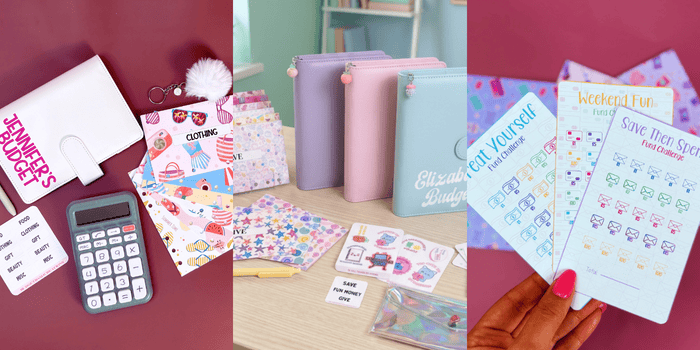
We had a little box sitting on the dresser with three sections: give, save, and spend. Every time my kids earned money from chores, we’d sit down together and divide it up. It wasn’t fancy, and it definitely wasn’t perfect, but it worked. They could see where their money was going, and that made everything click so much faster than any lecture ever could.
That’s why I always tell parents before jumping into
Because
A really easy way to start is with basic categories:
- Spending (fun money, snacks, shopping trips… aka Target runs in our house)
- Saving (something bigger they’re working toward)
- Giving (if that’s part of your family values)
That’s it. No complicated system needed.
Once teens start separating their money like this, something interesting happens. They begin to notice patterns. They realize how fast their “fun money” disappears. They start thinking twice before buying something small because they know it affects their bigger goal. That awareness is where real money skills start to build.
I’ve seen this firsthand. One of my kids was saving for something they really wanted, and for the first time, they actually paused before spending. Not because I told them to but because they didn’t want to set themselves back. That moment? Way more powerful than anything I could have said.
Now, here’s where this connects to apps.
When teens already understand the basics of
- why money is divided into categories
- how to track spending
- what it means to stay within a budget
That’s the difference between using an app… and actually learning from it.
If your teen is brand new to
Then, when you introduce
Best Budgeting Apps for Teens
Budgeting is one of those life skills I wish I had learned earlier, especially when it comes to managing money as a teen. When they were younger, we started super simple with a money-saving box, labeled give, save, spend.
It sat on their dresser, and every time they earned cash commissions from chores, we divided the money. A couple of dollars in “give,” some in “save,” and the rest in “spend.” Those three slots made the concept crystal clear.
But once my teens started wanting to shop online or use a card at Target, I realized the jars on the dresser weren’t enough anymore. Cash was still valuable.
I’m a big believer in having kids hand over bills so they feel the weight of spending, but we needed a tool that would help them practice money skills digitally, too. That’s when we set up Chase First Banking.
Honestly, Chase First Banking has been the biggest game-changer for us. My teens each have their own debit card, and they love the independence of swiping at Target like “real adults.” But I love the safety features: I can set spending limits, get alerts for purchases, and even turn the card off instantly if needed.
It’s like training wheels for real-world banking. One Target trip where half their commissions disappeared in a single swipe? Yeah, they never forgot that. Seeing the balance drop on the app made the lesson land in a way my words never could.
Now, Chase First Banking is what we use day-to-day, but I’ve also looked into a few other apps that could work well for teens, depending on the family:
- Acorns Early – While it’s technically an investing app, I see it as a sneaky way to teach
budgeting , too. The “round-up” feature shows how little purchases add up, and it encourages teens to tuck money away instead of blowing it all at once. - PocketGuard – This app gives a blunt reality check by showing exactly how much is “safe to spend” after
savings and essentials are set aside. If your teen struggles with self-control, this app does the tough-love math for them.
At the end of the day, I still believe in teaching kids with cash first, it makes money tangible. But pairing cash with apps like Chase First Banking helps bridge the gap to the world they’re growing up in: a world of debit cards, online shopping, and instant transactions. Cash builds the foundation. Apps help make the lessons stick.
💡 Want a simple way to start before using apps? Grab my free Teen Budget Tracker to help your teen practice saving, spending, and planning today.

Best Saving Apps for Teens
Saving money is one of those habits that’s tough for teens to build. When my kids were younger, I used a simple money-saving box with three slots labeled give, save, spend. Every time they earned cash commissions from chores, we’d split it up: a little for giving, a chunk for saving, and the rest for spending. It was simple, visual, and it worked. I loved seeing them proudly drop a couple of dollars into the “save” slot and watch it grow over time.
But as they got older, I realized those slots weren’t enough anymore. Cash was still important; I’ll always believe in handing kids a $10 bill so they feel the weight of spending, but when they started buying things online or swiping a card at Target, there wasn’t a clear way to track their
Now, here’s the thing: I haven’t personally used these saving apps with my teens, but they’re reputable, highly recommended by other families, and worth exploring if you want to make saving easier (and a little more fun). If your teen is still working on saving consistently, these types of tools can help make that habit stick.
- Goalsetter – This app blends saving with financial literacy. Your teen can set
savings goals like a new pair of sneakers or even long-term goals like a car and you can add incentives by matching their progress. It’s FDIC-insured and partnered with real banks, which gives peace of mind. - YNAB (You Need A Budget) – This one is more advanced and great for older teens who may already have part-time jobs or bigger financial responsibilities. YNAB is a paid app, but families who use it often rave about how it forces kids to “give every dollar a job.” It turns
budgeting and saving into a real-world skill.
What interests me about these apps, even if I haven’t personally used them, is how they make saving interactive. Instead of you nagging, “Don’t spend it all,” the app shows your teen what’s happening in real time. Watching a
At the end of the day, I still hand my kids cash commissions. Cash makes money feel real in their hands. But pairing that with saving apps gives them practice in the digital world they’re stepping into. Even if you haven’t tried these apps yet, they’re strong tools to explore if you want your teen to build saving habits that last.
Best Investing Apps for Teens
When it comes to teaching teens about investing, I don’t believe in letting them buy flashy single stocks. It’s too risky, and honestly, it can send the wrong message about what smart investing looks like. Instead, I prefer focusing on mutual funds and ETFs because they spread risk out and teach teens about long-term growth.
I haven’t personally used investing apps with my kids yet, but here are a few U.S.-based options that allow teens to invest responsibly with parental guidance.
- Fidelity Youth® Account – This account is designed for teens ages 13–17 and is one of the few brokerage options that actually gives them access to mutual funds and ETFs. Parents open and connect the account, so you always see what’s happening. I love that Fidelity also provides educational resources, so teens learn the importance of diversification instead of chasing the latest “hot stock.”
- Acorns Early – This app focuses on automated investing into diversified ETF portfolios. Parents control the custodial account, and teens can watch their
savings grow over time. What’s powerful here is the “round-ups” feature spare change gets invested automatically, showing teens how small, consistent actions build wealth without picking individual stocks. - Step – While Step gives teens access to investing features, the best use here is guiding them toward ETFs rather than individual stocks. Parents have visibility through their connected accounts, so you can supervise what’s being purchased. Step works well if your teen is just starting out and you want them to see how diversified funds behave over time.
- Stockpile – Stockpile makes investing accessible and safe for teens through gift card-style investing. You can buy fractional shares of stocks or ETFs with as little as $1, and your teen can redeem them in the app. Parents set up the account and approve transactions, helping teens explore the investing world with oversight and flexibility.
Why This Approach Works for Teens
- Diversification First: Focusing on mutual funds and ETFs teaches smart money habits instead of gambling with single stocks.
- Parental Oversight: Each of these platforms keeps you involved either through account controls (Acorns), joint setup (Fidelity), or monitoring (Step).
- Patience Over Hype: Teens learn that investing isn’t about quick wins, but steady, long-term growth.
Investing apps can be a great teaching tool for teens as long as they’re used wisely. By steering them toward ETFs and mutual funds, you show them how to grow their money responsibly, without the rollercoaster of chasing single stocks.
Whether it’s Acorns showing how round-ups add up, Fidelity giving access to serious investing with oversight, or Step offering a beginner-friendly entry point, the goal stays the same: building confidence, patience, and smart habits for the future.
For teens, this isn’t about making quick money, it’s about learning how money grows over time.
Best Payment & Cash Apps for Teens
One of the trickiest parts of raising teens right now is helping them understand that money isn’t just numbers on a screen. That’s why in our home, commissions for chores start with cash because holding bills in their hand makes spending and saving feel real. But the truth is, most of the world they’ll live in won’t involve cash.
Teens need to know how to swipe a card, use a digital wallet, and transfer money safely, all while you’re able to keep an eye on things. That’s where the right payment and cash apps make a huge difference.
Here are a few U.S.-based options that let teens spend digitally with parents involved every step of the way.
- Chase First Banking – This is what I personally use with my teens, and it’s been a game-changer. They get their own debit card that works anywhere Visa is accepted, but I can set spending limits, approve transfers, and monitor purchases in real time. My teen once burned through half their commissions at Target in a single trip, and watching the balance drop on the app was a lesson they’ll never forget. It’s safe, practical, and gives parents strong oversight.
- Apple Cash Family – If your family uses iPhones, this option fits right in. You can set up Apple Cash for your teen, send money instantly, and track their spending through Family Sharing. It’s also a safer way for teens to send and receive money with friends without carrying cash or linking to outside apps you can’t monitor.
- Google Pay (Family Setup) – For Android families, Google Pay (also known as Google Wallet) is a solid option. Parents can set up supervised accounts for teens, add spending limits, and monitor transactions. It works for in-store tap payments and online shopping, but you remain in control of how much money is loaded and where it’s being used. Teens love the convenience, while parents get the transparency they need.
- FamZoo – FamZoo works like a “virtual family bank.” Parents act as the bankers, controlling deposits, approving spending, and even paying interest on
savings . Teens get prepaid cards and an app to track balances, while you set the rules. It’s a hands-on way to teach saving andbudgeting with built-in parental oversight.
Why These Apps Help
- Safe Spending: Teens practice using debit cards and mobile wallets in real-world settings.
- Parental Oversight: Each option gives you visibility and control, so your teen isn’t navigating money alone.
- Cash + Digital Balance: Using these apps alongside commissions bridges hands-on learning with real-world digital habits.
Cash will always have its place, but digital spending is where most teens will live. With apps like Chase First Banking, Apple Cash Family, and Google Pay, your teen can safely learn how to handle digital money while you guide them every step of the way. It’s independence with a safety net, and that’s the sweet spot for teaching responsibility.

Best All-in-One Financial Literacy Apps for Teens
The apps I’ve already covered, whether for
If you don’t want to juggle multiple apps, this is where all-in-one options can really help. They roll
Here are three apps that work especially well if you’d rather manage everything in one place:
- Till – Till calls itself “family banking,” and that’s exactly what it feels like. Parents can assign chores, link commissions, and help teens set
savings goals, all while watching every transaction. Teens get to experience the full cycle of earning, saving, and spending without needing separate apps. - Mazoola – Mazoola is a family digital wallet and debit card designed for kids and teens. Parents can assign chores, set up allowance payments, approve spending, and track
savings goals. Teens get the independence of a card while parents stay fully in control, making it a safe and flexible all-in-one option. - Greenlight – Greenlight combines a debit card with chore tracking,
savings goals, parental controls, and even investing options. Parents approve transfers, set spending limits, and monitor every purchase. Teens get the independence of managing their own card, while you stay fully involved in the process.
Why All-in-One Apps Work
- One Place for Everything: Teens don’t need five apps; they can manage money skills from a single dashboard.
- Parental Guidance Built In: Features like alerts, limits, and approvals keep you fully involved.
- Keeps Teens Engaged: Because these apps cover all the basics, teens are more likely to stay consistent.
The focused apps I mentioned earlier are excellent: Chase First Banking for
They keep things simple, give teens independence, and still leave you in control. Pairing these with the cash lessons you’re already teaching creates a balanced approach that works in the real world.
How Parents Can Support Teens with Money Apps
Handing your teen an app and hoping they “figure it out” isn’t enough. Just like teaching them to drive, teaching them to manage money requires coaching, guardrails, and plenty of conversations along the way. The good news is, money apps actually make these conversations easier because you can see what’s happening in real time and use it as a springboard for teaching moments.
Here are a few ways you can actively support your teen:
- Set Clear Boundaries First – Before loading money into an app, explain the rules. For example: “This much is for spending, this much is for saving, and this much is for giving.” By setting expectations upfront, you help your teen understand that digital money isn’t limitless.
- Stay Involved Without Hovering – Most apps allow you to see every transaction. Instead of using that power to criticize, use it to coach. If you see a Target run that emptied their “fun” money, let them feel it, then talk about how they could plan differently next time. Teens respond better when you guide instead of lecturing.
- Encourage Goal Setting – Whether it’s saving for a new phone, a concert ticket, or even college, apps with goal features are perfect for showing progress. When your teen can track their own
savings bar inching closer to a goal, the motivation comes from within instead of from your nagging. - Reward Smart Choices – Consider matching part of their
savings or adding a small bonus when they stick to a budget. Even $5 here or there makes the lesson stick and shows that responsible choices bring rewards. - Have Regular Money Check-Ins – Make it normal to sit down once a week or once a month to review together. Ask questions like, “How do you feel about how you spent your money this week?” or “What goal do you want to set next?” These talks don’t have to be long, but they do build consistency.
Teaching teens about money isn’t something they just pick up on their own… Apps are powerful tools, but they’re not a substitute for your role as a parent. Your guidance is what turns them from just “another app” into a real learning experience.
By setting boundaries, checking in, and celebrating progress, you teach your teen that money isn’t just about spending, it’s about making smart choices now that will set them up for the future.
✨ Want to make these money check-ins easier?
Use this free Teen Budget Tracker 📊 to help your teen track spending, set goals, and stay consistent.
Apps vs Budget Trackers: What Works Better for Teens?
This is something I didn’t really think about at first, but it matters more than I expected.
When we started using money apps, I assumed that was the solution. Everything is digital now, right? So it made sense that learning about money would be digital too. But what I noticed pretty quickly is that not every teen learns the same way, especially when it comes to
Some teens do great with apps. They like seeing their balance update instantly, setting
But… that doesn’t work for every kid.
One of mine needed something more visual and a little slower. When everything was just numbers on a screen, it didn’t fully click. It felt like “invisible money,” and spending didn’t feel like a big deal. That’s when I realized that sometimes a simple budget tracker or worksheet can actually work better, at least in the beginning.
Writing things down forces them to pause.
When a teen has to physically track what they spent, or plan out where their money is going for the week, it creates a different kind of awareness. It’s not automatic. It takes a second. And that second is usually where the learning happens.
That’s why I don’t really see it as apps or worksheets anymore.
It’s more like:
- Apps are great for real-life practice (cards, spending, transfers)
- Budget trackers help build the thinking behind those choices
Using both together has honestly worked best in our house.
We still use apps for day-to-day spending, but having a simple way to track money outside of the app helps everything make more sense. It connects the dots. Instead of just reacting to what’s in their account, they start planning ahead—even if it’s just a little.
If your teen isn’t quite ready for an app yet, or if things just aren’t clicking, starting with something simple like a teen budget worksheet can make a big difference. It gives them a place to practice without the pressure of real-time spending.
And if you want something easy to start with, I put together a free Teen Budget Tracker that walks them through tracking spending, saving, and setting small goals. Nothing complicated just something to help them build the habit.
Because at the end of the day, it’s not really about the tool.
It’s about helping your teen slow down just enough to understand what their money is doing and giving them the confidence to make better choices next time.
Choosing the Right Money App for Your Teen
With so many options out there, it can feel overwhelming to figure out which money app is best for your teen. There’s no one-size-fits-all when it comes to money apps for teens…
The truth is, there isn’t a “one size fits all” choice; it depends on your teen’s age, personality, and what you’re trying to teach them right now. The good news is, once you know your goals, it’s much easier to match them with the right app.
Here are a few things to consider when making your decision:
- Age & Stage of Learning
- Younger teens often do best with apps that focus on saving and spending basics (like Goalsetter or Mazoola).
- Older teens may be ready for more advanced tools that introduce
budgeting and even investing (like YNAB or Fidelity Youth).
- Your Teen’s Personality
- Parental Oversight
- Make sure any app you choose keeps you in the loop. Look for features like spending alerts, approval tools, and the ability to set limits. If an app doesn’t offer that, it’s not worth it for teens.
- Fees & Costs
- Some apps are free, while others charge a monthly fee. Paying a few dollars a month may be worth it if the app keeps your teen engaged and teaches strong habits, but you’ll want to balance features with budget.
- Ease of Use
- If the app feels confusing to you or your teen, you probably won’t stick with it. Choose something with a clear, user-friendly design so that learning stays fun and stress-free.
The best app is the one your teen will actually use with your guidance alongside it. Whether it’s a simple saving tool, a debit card app with limits, or an all-in-one platform, the goal isn’t just to give them technology. The goal is to give them practice with safeguard rails in place so they learn how to manage money before it really counts.
Start with one app that fits your teen best, and remember: the most powerful lessons come from the conversations you have around it.
Conclusion
Teaching your teen about money doesn’t have to feel overwhelming. You don’t need to use every app at once just start with one that fits your teen’s age, personality, and goals.
The best money apps for teens aren’t a replacement for your guidance. They’re tools that make your job easier by turning money management into real, hands-on practice.
Start simple. Stay consistent. And focus on building habits over time.
✨ Want to make this easier to implement right away?
Grab my free Teen Budget Tracker 📊 to help your teen track spending, set goals, and build strong money habits
💡 Want more tools and ideas?
Explore my Money Tools & Resources page for
Frequently Asked Questions
Are money apps for teens safe?
Yes. Leading apps like Greenlight, Step, and Acorns Early hold cash in accounts that are FDIC-insured through their partner banks (up to $250,000), and investments are SIPC-protected. They also add parental controls, real-time spend alerts, and instant card freezing. Just note these are fintech apps rather than banks themselves, so coverage comes through their banking partners.
What’s the best free money app for teens?
Step and Cash App for Kids are both free with no monthly fee, and Chase First Banking is free if you already bank with Chase. Step is the strongest free pick for a teen with a job.
At what age can a teen get a money app?
Most cards work from age 6 with a parent as the account holder. Independent teen apps like Step, Current, and Cash App for Kids require the teen to be at least 13.
What happened to GoHenry?
GoHenry’s US service was rebranded to Acorns Early in 2026. Existing accounts migrated automatically, and the card, chores, and parental controls carried over with custodial investing added on top.
Can teens invest through these apps?
Yes. Greenlight’s higher tiers and Fidelity Youth let teens buy stocks and ETFs with parental approval, Step offers in-app investing, and Acorns Early adds a custodial investment account.
Other Posts You May Like
Teen Financial Literacy in 2026: A Complete Guide For Raising Financially Confident Teens