Cash Envelope Systems for Teenagers: A Proven 2026 Guide They’ll Actually Stick With
Last Updated on April 4, 2026 by Yadira Bacelic
This post may contain affiliate links, which means I’ll receive a commission if you purchase through my links at no extra cost to you. Please read the full disclosure for more information.
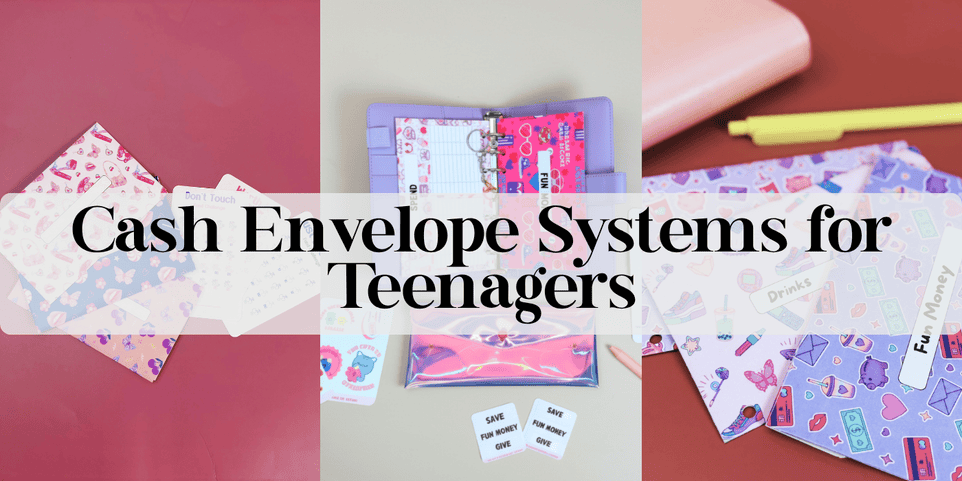
Introduction
Money tends to disappear fast when teens are just starting out. It’s usually not one big purchase; it’s a drink here, a snack there, something small after school, and before they realize it, there’s nothing left.
That’s exactly where cash envelope systems for teenagers start to make a difference.
I’ve noticed (and I’m sure you have too) that when money is just a number on a screen, it doesn’t feel real. Teens swipe, tap, or click, and it’s gone without much thought. But when they’re holding actual cash and pulling it out of an envelope, something shifts. They pause. They think. Sometimes they even put it back.
And that pause? That’s the whole point.
The nice thing about this system is how simple it is. No apps to set up, no passwords to remember, no complicated rules to follow. Just a few categories, some envelopes, and a clear visual of what’s left.
It also takes a lot of pressure off you. You don’t have to constantly remind, track, or question every purchase. The system does the teaching on its own, in a way that feels natural instead of forced.
And honestly, it doesn’t have to be perfect to work. Some weeks will go smoothly, others won’t. Envelopes might get emptied too quickly at first and that’s part of the learning. Over time, your teens start to connect their choices with what’s left in front of them.
That’s when things start to click.
Cash envelope systems for teenagers aren’t about strict
Why Cash Envelope Systems for Teenagers Actually Work
I didn’t realize how much of a difference this system made until I saw it in real life with myself. Before using cash envelopes, money felt kind of abstract. It was just “there”… until it wasn’t.
And that’s the tricky part.
When your teen uses a card (or even Apple Pay), there’s no real pause. They don’t see what’s leaving, only that the purchase went through. But with cash, it’s different. They physically open an envelope, count what’s inside, and make a decision right there in the moment.
That tiny pause? It changes everything.
You’ll probably notice your teen standing there thinking a little longer, “Do I really want this, or should I save for something else?” And the best part is, you don’t have to step in. The system does that work for you.
Another reason cash envelope systems for teenagers work so well is how simple they are. There’s nothing to figure out. No app to manage, no categories hidden inside a screen. What your teen sees is what they have.
And honestly, simple is what makes it stick.
It also gives your teen a sense of control, which matters more than we sometimes think. Instead of being told what they should or shouldn’t spend, they get to make those choices themselves. If they go through their spending money too quickly, they feel it naturally. Not as a punishment, just as a real-life experience.
And that’s where things start to click.
You may even notice fewer questions like:
“Can I get this?”
“Is this okay?”
“Do I have enough?”
Because now, your teen already knows. It’s right there in the envelope.
Now, it won’t be perfect every week. Some weeks, the money disappears fast. Other weeks, they might surprise you and actually hold onto it longer.
But that’s part of the process.
Cash envelope systems for teenagers aren’t about getting everything right. They’re about helping your teen learn how money works in a way that actually sticks through small choices, small mistakes, and small wins over time.
How to Set Up Cash Envelope Systems for Teenagers (Without Overcomplicating It)
Setting this up doesn’t need to turn into a whole project. In fact, the simpler you keep it, the more likely your teen will actually use it.
I made the mistake once of trying to “set everything up perfectly” ahead of time, categories, labels, and even how much should go into each envelope. It looked great… and it completely overwhelmed things before we even started.
What worked better was slowing down and keeping it simple from the beginning.
Start with just a few categories. Three is honestly enough to begin with. Something like spending, saving, and giving. You can always add more later, but starting small makes it feel doable instead of structured and strict.
Then give your teen a way to actually hold and organize their cash. This is where having something like a binder system with real envelopes makes a big difference. When everything is in one place, and especially when the envelopes are durable and not falling apart, it just feels easier to keep up with.
And this part matters more than it seems.
If the system feels messy or inconvenient, your teen won’t stick with it. But if it’s easy to grab, easy to open, and easy to put back, it naturally becomes part of their routine.
I’ve also found it helps to let your teen be part of setting it up. Let them choose what they want to name their categories. Maybe they don’t want “spending,” maybe they want “fun money” or something more specific to what they actually use it for.
That little bit of ownership goes a long way.
Once the categories are set, decide on a set amount of cash. Weekly tends to work better than monthly in the beginning, just because it gives more chances to reset and learn. Then sit down together and divide it into each envelope.
No pressure, no big lecture, just a quick setup.
From there, the system kind of runs itself. When your teen wants to buy something, they check the envelope. If the money’s there, they can use it. If it’s not, they wait.
That’s it.
You don’t need to track every single dollar right away. In the beginning, the goal is just helping your teen get comfortable using the system without feeling overwhelmed. The structure is already guiding their choices in the background.
Once your teen is comfortable and already building a routine, that’s when tracking can come in. It helps them see where their money is going, notice patterns, and understand when it might be time to slow down. It also gives them a chance to plan better moving forward.
Cash envelope systems for teenagers work best when they feel simple, flexible, and easy to stick with. Not perfect, just consistent enough to start building real habits.
Best Cash Envelope Categories for Teenagers (Keep It Simple and Realistic)
This is usually the part where things can either click… or get way too complicated.
It’s really tempting to create a category for everything. Clothes, snacks, outings, hobbies,
It didn’t.
It just made it harder to keep up with.
What actually works better is choosing categories that match how your teen already spends money in real life. Not what looks good on paper, but what actually happens during the week.
For most teens, spending money tends to fall into just a few main areas.
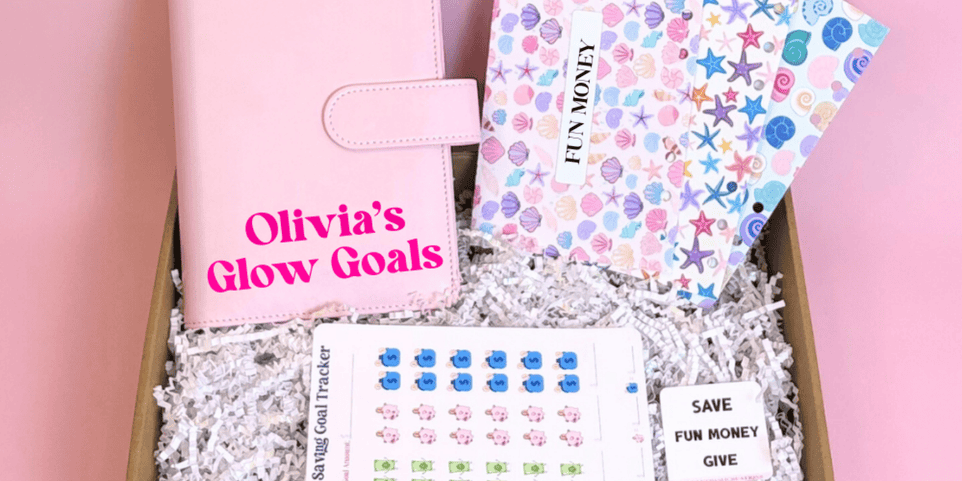
The first one is usually some version of spending. These are their everyday money snacks, small purchases, things they want without much planning. Some teens like calling it “fun money,” which honestly makes it feel less restrictive and more like it’s theirs to control.
Then there’s saving, even if it’s just a small amount at first. This could be for something specific, like clothes, shoes, or something bigger they’ve been wanting. Having a separate envelope for this helps them see progress, which is really motivating.
Another helpful one is school or activities. Things like school events, small fees, or anything that comes up during the week. This keeps those expenses from quietly eating into their spending money.
You can also add an extras category if your teen tends to have random or unpredictable spending. Not every teen needs this, but for some, it helps avoid constantly moving money between envelopes.
And then there’s giving, which is completely optional. Some families like including it, some don’t. But if you do, it can be a simple way to introduce the idea of being thoughtful with money, even in small amounts.
The key here isn’t having the “perfect” set of categories. It’s having categories that your teen actually understands and uses.
If they’re constantly confused about where something should come from, or asking to move money around, that’s usually a sign there are too many categories or the labels don’t match how they think.
And it’s okay to adjust.
You might start with three and realize you need four. Or start with five and realize three works better. This system isn’t meant to stay fixed; it’s meant to grow with your teen as their habits change.
Cash envelope systems for teenagers work best when the categories feel simple, clear, and realistic for everyday life. Not overly detailed, just enough structure to help your teen stay aware of where their money is going.
What a Weekly Cash Envelope Routine Looks Like (In Real Life)
This is usually the part parents wonder about most: What does this actually look like during the week?
Because in theory, it sounds simple. But in real life, things can feel a little messy at first.
A typical week starts with your teen getting their set amount of cash. This could be allowance, money from a part-time job, or whatever system you already have in place.
At the beginning of the week, they sit down and divide that money into their envelopes. It doesn’t have to be a big moment or a long conversation, just a quick reset so they know what they’re working with.
This is where having everything already organized makes a big difference. When your teen has something like a binder-style cash envelope system with labeled envelopes, it’s so much easier for them to see where everything goes and keep it all in one place.
From there, the week just plays out naturally.
When your teen wants to buy something, they go to the envelope that matches. If they’re grabbing a snack or something small, it comes out of their spending or “fun money” envelope.
If the money is there, they can use it.
If it’s not, that’s where the learning happens.
There’s no need to step in or remind them. They see it for themselves. And sometimes that means deciding not to buy something, or waiting until the next week.
And yes at first, the money might disappear quickly. That’s completely normal.
Some teens will go through their spending envelope in the first couple of days. But once that happens a few times, they start adjusting. Maybe they slow down, or start thinking ahead a little more.
This is also a good point where they can start learning to track their money. Not in a strict or overwhelming way, just enough to help them see where it’s going. When your teen starts noticing their spending habits, it becomes easier for them to recognize when to slow down and make better choices the next time
That’s when you know it’s starting to work.
It also helps to keep everything together so it doesn’t get lost or forgotten. Loose envelopes floating around in a backpack usually don’t last very long. Having a set of cash envelopes or a binder system that keeps everything protected and easy to grab makes it much easier for your teen to stay consistent.
Over time, this weekly routine becomes automatic. Your teen stops guessing and starts checking. They know where to look, what they have, and what they can spend.
And once they get comfortable, this is where you can slowly introduce tracking. Nothing complicated, just a simple way for your teen to notice where their money is going.
It helps them see patterns, recognize when they’re spending too quickly, and start planning ahead a little better for the next week.
Cash envelope systems for teenagers really come to life in these small, everyday moments. Not in perfect weeks but in the regular rhythm of learning, adjusting, and slowly getting better with money.
Common Mistakes Teens Make With Cash Envelope Systems (And How to Handle Them Without Stress)
This is the part no one really talks about, but it’s usually where parents start to wonder if the system is “working” or not.
Because in the beginning, it won’t look perfect.
And that’s okay.
One of the most common things that happens is your teen going through their money way too fast. Like… two or three days in, and the spending envelope is already empty.
It’s easy to step in at that point and want to fix it. Add more money, adjust everything, or turn it into a whole lesson.
But honestly, that moment? That’s where the learning is happening.
When your teen runs out early, they feel it. Not in a harsh way, just in a real, everyday way. They have to wait. Maybe they skip buying something later in the week. That experience sticks a lot more than a lecture ever could.
Another mistake is having too many categories.
It usually starts with good intentions. You want everything organized, so you create a category for every possible situation. But for your teen, it can feel confusing and a little overwhelming.
They’re standing there trying to figure out:
“Does this come from this envelope… or that one?”
When that happens, they either get frustrated or stop using the system the way it’s meant to be used.
Keeping categories simple makes a huge difference.
Then there’s the habit of constantly moving money between envelopes.
“I’ll just take a little from
“I’ll replace it later.”
It seems harmless at first, but it starts to blur the boundaries of the system. If everything becomes flexible all the time, the envelopes stop doing their job.
Instead of stopping this completely, it can help to set a simple rule: if money is moved, it’s intentional and acknowledged. Not automatic.
Another big one is expecting consistency right away.
Some weeks will go smoothly. Other weeks won’t. Your teen might forget to use the envelopes, leave them at home, or just not think about it.
That doesn’t mean the system isn’t working.
It just means they’re still learning.
And probably the biggest mistake of all is turning the system into something that feels like punishment.
If every decision gets questioned, or every mistake turns into a correction, your teen is going to pull away from it. The goal isn’t to control every dollar; it’s to help them understand how to manage it.
There’s a difference.
Cash envelope systems for teenagers work best when there’s room to learn, adjust, and try again. Not when everything has to be perfect.
Because in the long run, it’s those small mistakes and what your teen learns from them that actually build confidence and better habits over time.
Cash Envelope Systems vs Budgeting Apps for Teenagers (What Actually Works Better)
This question comes up pretty quickly once you start talking about
And honestly, both can work. It really depends on where your teen is starting.
What I’ve noticed is that apps sound easier at first. Everything is on your phone; it tracks automatically, and there’s nothing physical to carry around. For teens who are already comfortable managing money, that can be a good option.
But for beginners, it doesn’t always click the same way.
When money stays on a screen, it can feel a little disconnected. Your teen sees numbers going up and down, but it doesn’t always register in a meaningful way. They might check their balance, but that doesn’t always stop impulse spending in the moment.
Cash works differently.
With cash envelope systems for teenagers, everything is right in front of them. They can see exactly how much is left in each category without needing to open an app or scroll through anything. When they take money out, they feel it. When it’s gone, it’s obvious.
That physical connection is what helps build awareness early on.
It also removes a lot of the learning curve. There’s no setup, no features to figure out, and no distractions. Your teen doesn’t need to learn how to use a tool before they can start learning how to manage money.
That said, apps aren’t a bad thing.
They can actually be really helpful later on especially once your teen already understands basic spending habits. At that point, tracking digitally can make things more convenient and give them a bigger picture of their money over time.
Some teens even end up using both.
They use cash envelopes for everyday spending, and an app just to track or review where their money is going. It doesn’t have to be one or the other.
But if your teen is just starting out, cash is usually the easier place to begin.
Cash envelope systems for teenagers help build that first layer of understanding what money looks like, how quickly it goes, and how to make it last. Once that foundation is there, adding an app later feels a lot more natural.
Best Cash Envelope System Styles for Teenagers (Binder vs Wallet vs Simple Envelopes)
Once you decide to try a cash envelope system, the next question is usually:
What should my teen actually use?
And this is where it can get confusing, because there are a few different options—and they all sound similar at first.
But in real life, how they function day-to-day is what really matters.
Binder Systems (Most Structured and Easiest to Stick With)
The most structured option is a binder-style system.
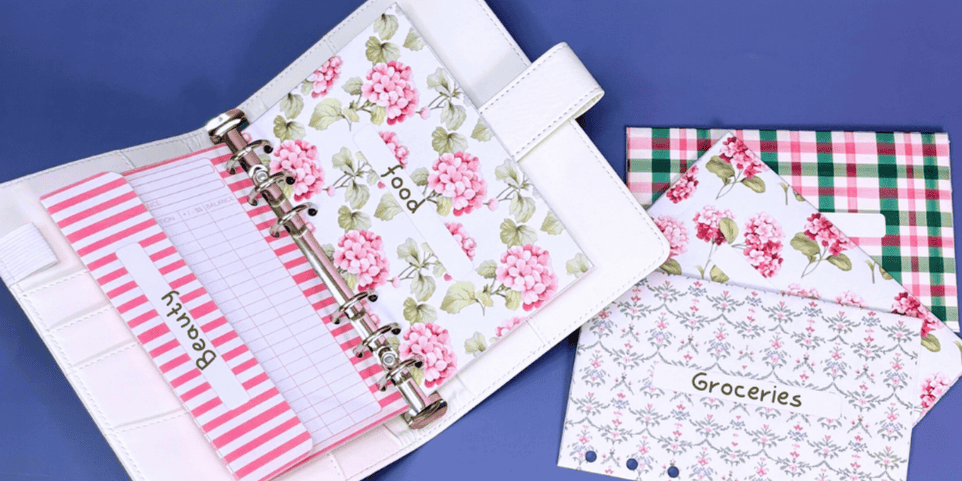
This is where everything stays in one place. Each category has its own labeled envelope, and your teen can flip through them easily to see what they have left. It’s organized, easy to manage, and it tends to last longer, especially when the envelopes are durable.
For teens who are just starting out, this is usually the easiest system to stick with. There’s less guessing, less mess, and everything feels more put together from the beginning.
If you’re setting this up for the first time, using something like a binder-style cash envelope system with waterproof envelopes can make a big difference in how consistent your teen is with it.
Printable Cash Envelopes (Flexible and Easy to Start)
Another option is using simple printable envelopes.
This works really well if you want something quick and flexible, or if your teen likes having a say in how things look. You can print what you need, label categories together, and adjust as you go.
It’s a good starting point, especially if you’re not sure yet how many categories your teen needs or how they’ll use the system.
Using a set of printable cash envelope designs your teen can choose from can also help them feel more involved, which makes them more likely to actually use it.
Wallets and Loose Envelopes (Simple but Less Structured)
Then there are wallet-style systems and loose envelope setups.
These are usually smaller and easier to carry around, which some teens prefer. But they can also get disorganized quickly, especially if envelopes start getting mixed up or worn out.
For teens who are already comfortable managing money, this can work fine. But for beginners, it sometimes makes things harder than they need to be.
That’s why starting with something more structured, like a binder or clearly labeled envelopes, tends to work better in the beginning.
Choosing What Works Best for Your Teen
At the end of the day, there isn’t one “perfect” system. It really comes down to what your teen will actually use consistently.
Some teens like everything neat and organized. Others prefer something simple and flexible.
But if your goal is to make this as easy as possible from the start, going with a system that keeps everything in one place and is easy to maintain usually makes the biggest difference.
Cash envelope systems for teenagers work best when the setup feels simple, clear, and realistic for everyday life, not something they have to figure out every time they use it.
How Cash Envelope Systems Help Teens Build Long-Term Money Habits
This is where things start to go beyond just “managing weekly money.”
At first, it might feel like your teen is just dividing up cash and trying not to run out too quickly. And honestly, in the beginning, that’s enough.
But over time, something shifts.
Your teen starts to think ahead.
Instead of spending automatically, they begin asking themselves small questions:
“Do I want this now, or do I want something else later?”
“Should I save this instead?”
And those small pauses start turning into real habits.
I’ve seen this happen slowly, not all at once. At first, the envelopes are just a system. Then they become a routine. And eventually, they turn into a way your teen thinks about money without even realizing it.
That’s the part that sticks.
One of the biggest habits this builds is learning how to wait. Not in a forced way, just naturally. When the spending envelope is empty, your teen has to pause. And over time, that pause becomes a choice instead of a restriction.
They start planning a little more.
Maybe they hold onto some money for later in the week. Maybe they set aside a little extra in their
Another thing that develops is awareness.
Your teen starts to recognize where their money actually goes. Not just in theory but in real life. They see how quickly small purchases add up, and they begin to notice patterns.
That’s where better decisions start coming from.
And as they get more comfortable, this is where tracking can come in more naturally. Not as something forced, but as a tool they actually understand. It helps them look back, adjust, and make better choices moving forward.
They’re not just spending anymore, they’re thinking.
It also builds confidence.
Instead of asking for permission or second-guessing every decision, your teen starts to trust themselves with money. They know what they have, they know their limits, and they feel more in control.
That independence matters more than we sometimes realize.
Cash envelope systems for teenagers aren’t just about
And it all starts with something simple.
Just a few envelopes, a routine, and the space to learn as they go.
Conclusion
Cash envelope systems for teenagers don’t need to be complicated to work. In fact, the simpler they are, the more likely your teen is to actually stick with them.
What starts as a few envelopes and some weekly cash can turn into something much bigger over time. Your teen begins to see their money differently. They pause before spending, think ahead a little more, and slowly build confidence in the choices they’re making.
It’s not going to look perfect every week. Some weeks will feel like progress, and others might feel like you’re starting over again. But that’s part of the process, and honestly, that’s where the real learning happens.
The goal isn’t to control every dollar or create a perfect system. It’s to give your teen something simple and realistic they can actually use. Something that helps them understand money in a way that sticks.
And once that foundation is there, everything else—saving, planning, even using apps later—becomes a lot easier.
If you’re thinking about ways to support your teen with this, simple tools like cash envelope systems, budget binders, or even small money-focused gifts can make a big difference. You can find more ideas in Money Management Gifts for Teens, especially if you want something practical they’ll actually use.
Cash envelope systems for teenagers are just one starting point, but they’re a powerful one.
Other Posts You Like
Best Graduation Money Management Gifts for Teens in 2026 (That Teach Real Life Money Skills)
Teen Financial Literacy in 2026: A Complete Guide For Raising Financially Confident Teens