Savings Challenge Cards for Teenagers: 9 Stress-Free Ways to Build Saving Habits That Stick
Last Updated on January 10, 2026 by Yadira Bacelic
This post may contain affiliate links, which means I’ll receive a commission if you purchase through my links at no extra cost to you. Please read the full disclosure for more information.
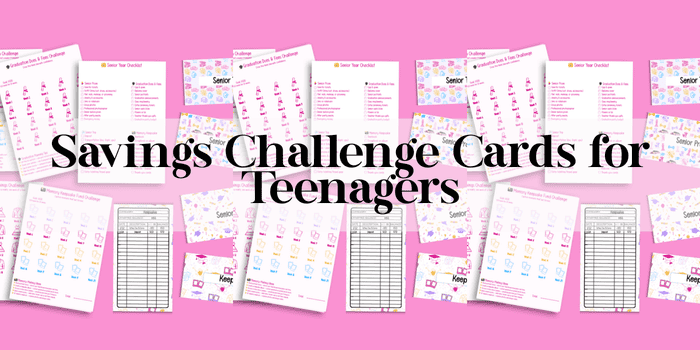
Getting Started with Savings Challenge Cards for Teenagers
Teaching teens how to save can feel tricky, especially when saving feels abstract or far off to them. As parents, we often encourage our teens to save “a little at a time,” but without a clear plan, that advice can feel confusing or easy to ignore. That’s where savings challenge cards for teenagers can be a helpful tool to consider.
Savings challenge cards give teens a clear goal and a visual way to track progress. Instead of asking teens to save whatever is left over, these cards help break saving into small, manageable steps. For many teens, that structure makes saving feel achievable rather than restrictive.
What makes
In this article, we’ll walk through 9 stress-free ways
Why Savings Challenge Cards for Teenagers Work So Well
One reason
Savings challenge cards also break saving into smaller steps. For many teens, being told to “save money” feels vague or overwhelming. Challenge cards turn that goal into something manageable by showing clear increments and progress points. This helps teens stay engaged without feeling pressured to save large amounts all at once.
Another important benefit is that these tools focus on consistency rather than perfection. Teens don’t have to save the same amount every week or follow a strict schedule. They can participate at their own pace, which makes the habit easier to maintain alongside school, work, and other responsibilities.
What parents often appreciate most is that

Savings Challenge Cards vs. Traditional Saving for Teens
Many parents grow up learning to save by putting “whatever is left” into
This is where
Traditional
Another key difference is motivation. When saving feels vague, teens may struggle to stay consistent. Challenge cards turn saving into an active process, helping teens connect effort with results. Over time, that connection builds confidence and makes saving feel like a habit rather than a chore.
For many families, this structured but flexible approach is what helps teens move from “I should save” to “I know how to save.”
What to Look for in Savings Challenge Cards for Teenagers
When parents start exploring
A good set of
It also helps when
Flexibility matters too. Teens don’t need rigid timelines or strict rules to build good habits.
For families who want a ready-to-use option, savings challenge cards for teenagers designed around real milestones can be especially helpful. Having clear goals already laid out removes guesswork and makes it easier for teens to get started with confidence.
How Savings Challenge Cards Help Teens Save With Purpose
One of the biggest reasons
When teens know why they’re saving, they’re far more motivated to stick with it. Whether the goal is a school event, a trip, activities with friends, or something personal,
These cards also help teens break larger goals into smaller, manageable steps. Big expenses can feel intimidating, especially when teens are earning limited income.
For parents, this approach often leads to better conversations about money. Instead of reminding teens to save, you can talk about goals, priorities, and progress. Saving becomes something teens participate in, not something they’re reminded to do.
When saving has purpose, habits tend to last longer. Teens learn that saving isn’t about deprivation, it’s about planning ahead so they can enjoy experiences without stress later on.
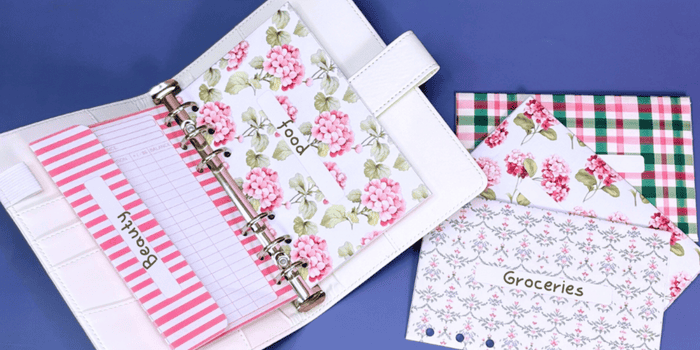
Using Savings Challenge Cards Alongside Budget Envelopes
For many families,
Budget envelopes help teens decide where their money goes.
This combination works especially well for teens who are juggling multiple expenses or goals at the same time. Envelopes create clear boundaries, while challenge cards add motivation and a sense of accomplishment. Teens can physically see their progress, which helps reinforce consistency over time.
Some families prefer to keep these tools separate, while others like having everything organized in one place. For example, a simple teen
The key isn’t using every tool available; it’s choosing tools that work together in a way your teen can actually stick with.
Common Parent Concerns About Savings Challenge Cards
It’s completely normal for parents to have questions or concerns when introducing
One common concern is consistency. Teens may start strong and then slow down when school, work, or activities take over. That doesn’t mean the tool isn’t working. Saving habits don’t form overnight, and pauses are part of the learning process. What matters most is that teens understand they can come back to their goals without feeling like they’ve failed.
Another concern parents often share is whether
Some parents also worry about motivation fading once the excitement wears off. This is where conversation matters more than the tool itself. Checking in occasionally, asking what the goal means to your teen, or celebrating progress even small progress helps keep saving connected to something meaningful.
Savings challenge cards aren’t about perfection. They’re about helping teens practice setting goals, staying aware, and learning how to start again when things don’t go exactly as planned. Those skills matter far beyond any single challenge.
Savings Challenge Cards for Teenagers During Big Milestones
Certain seasons in a teen’s life naturally make saving more important. Milestones like starting a first job, entering senior year, or preparing for big events often come with new expenses — and new opportunities to build better habits. This is where
During busy seasons, saving can easily fall to the side. Challenge cards help bring focus back without adding stress. Instead of trying to save for everything at once, teens can concentrate on one clear goal at a time. That clarity makes saving feel manageable, even when schedules are full.
Senior year is a great example. Expenses like prom, trips, dues, and meaningful keepsakes add up quickly.
Savings challenge cards can also work well when teens start earning their own money. A first job often brings excitement and spending temptations. Having a simple saving challenge in place helps teens practice setting aside money intentionally, even while enjoying their earnings.
What matters most during these milestones isn’t how much teens save, it’s that they learn how to plan ahead.
When to Introduce Savings Challenge Cards to Teens
One of the most common questions parents ask is when
For some teens, that readiness shows up early. They might start talking about wanting something specific or feeling frustrated that money disappears too quickly. For others, it happens later, often after they start earning their own money through a summer job or part-time work. Both are completely normal.
What matters more than timing is interest. When teens understand why they’re saving and feel some ownership over the goal,
It’s also okay to start small. A single challenge tied to one goal is often more effective than trying to juggle multiple
Savings challenge cards aren’t about rushing financial maturity. They’re about meeting teens where they are and giving them a simple way to practice planning ahead, one goal at a time.
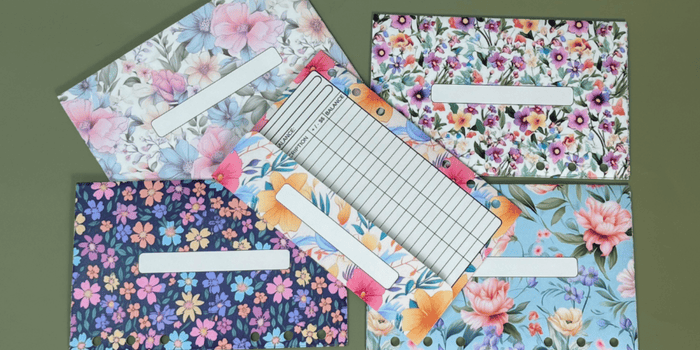
When Teens Are Ready to Move Beyond Savings Challenge Cards
As teens build confidence with saving, there often comes a point when
You might notice your teen wanting to separate money for multiple purposes, plan ahead for upcoming expenses, or keep better track of what’s coming in and going out. These moments don’t mean
At this stage, some families choose to explore simple teen
Other families begin looking for money management gifts for teens that support the next stage of independence. These kinds of tools can be especially helpful during milestones like senior year, a first job, or preparing for life after high school.
Some teens continue using
What matters most is that saving no longer feels intimidating. When teens reach this point, it’s a sign they’ve gained something far more valuable than completing a challenge; they’ve learned how to plan, adjust, and move forward with confidence.
Final Thoughts
Saving is one of the most important money habits teens can learn but it doesn’t have to feel heavy or complicated.
These tools aren’t about saving large amounts or doing everything perfectly. They’re about helping teens experience progress, learn how to plan ahead, and build habits that grow over time. When saving feels achievable, teens are far more likely to stick with it.
As a parent, you don’t need to introduce everything at once. Starting with one clear goal, one challenge, and one supportive conversation is often enough. Over time, those small steps help teens feel more capable and prepared to manage their money independently.
You’re not just helping your teen save for something specific, you’re helping them build skills they’ll carry with them well beyond this season.
Other Posts You May Like
Teen Financial Literacy in 2026: A Complete Guide For Raising Financially Confident Teens
Budget Envelopes for Teen Beginners: 7 Simple Ways to Build Smart Money Habits